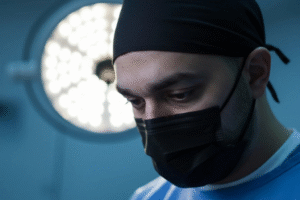
A sinus lift is a surgical procedure that makes it possible to place dental implants in the back upper jaw when there is not enough bone. It gently raises the sinus floor and adds bone graft material so implants can be placed more securely. If you have been told you need a sinus lift before dental implants, understanding why it is needed and what the process involves can help you decide confidently.
Why a Sinus Lift May Be Needed Before Dental Implants
The upper back jaw (around the premolars and molars) often has less bone than other areas. There are two main reasons:
- The roots of upper molars are close to the maxillary sinus (air-filled spaces above the roots).
- After teeth are lost, the jawbone in that area tends to shrink over time.
When bone height is reduced and the sinus has expanded downwards, there may not be enough safe space to place an implant of adequate length. A sinus lift creates additional bone height between your mouth and the sinus cavity so implants can be placed without entering or damaging the sinus.
Who Might Be a Candidate for a Sinus Lift?
Your dentist may discuss a sinus lift if:
- You are missing one or more upper back teeth and want dental implants.
- Your panoramic X-ray or CBCT scan shows low bone height under the sinus.
- You have had periodontal (gum) disease and bone loss in the upper jaw.
- Your sinus is naturally large and lies very close to the roots of your upper teeth.
Suitability is always confirmed after clinical examination and appropriate imaging. In some cases, alternative implant positions or different prosthetic options may be possible without a sinus lift.
How a Sinus Lift Works: Main Steps
The exact technique depends on your anatomy and how much extra bone is needed, but the overall principle is similar in most cases.
1. Examination and Planning
Before surgery, you will have a clinical examination and radiographic evaluation, usually including a panoramic X-ray and often a CBCT scan. These images help measure your existing bone height, map the position of the sinus, and plan where implants can be placed later.
2. Local Anaesthesia and Access
The sinus lift is typically performed under local anaesthesia, so the area is numbed and you remain awake but comfortable. A small opening is made in the gum on the side of the upper jaw to access the bone overlying the sinus.
3. Lifting the Sinus Membrane
A small window is carefully created in the bone. The thin sinus membrane (the lining of the sinus) is gently separated from the bone and lifted upwards. This creates a space between the membrane and the floor of the sinus.
4. Placing the Bone Graft
The space created under the lifted membrane is filled with bone graft material. This may be:
- Processed donor bone material
- Synthetic bone substitute
- In some cases, a combination of different materials
The aim is to provide a scaffold into which your body can grow new bone over time.
5. Closing and Healing
Once the graft is placed, the area is covered, and the gum is sutured (stitched) back. Over the following months, the graft integrates and new bone forms, increasing the bone height available for future implant placement.
Can Dental Implants Be Placed at the Same Time?
Whether implants can be placed during the same surgery or must be done later depends mainly on how much original bone you have:
- Enough residual bone (often 4–5 mm or more): In some cases, sinus lift and implant placement can be performed in a single procedure.
- Very limited residual bone: The sinus lift is done first, and implants are placed after a healing period, once sufficient new bone has formed.
Your dentist will advise which approach is safer in your situation, based on your imaging and overall oral health.
Healing Time After a Sinus Lift
Initial healing of the gum usually takes around 1–2 weeks. The deeper bone healing and integration of the graft take longer. Depending on the technique used and the amount of graft:
- Bone maturation may take about 4–9 months.
- Implants are usually placed once the area has enough stable bone.
During this period, follow-up visits allow your dentist to monitor healing and plan the timing of implant placement.
What to Expect After the Surgery
Mild to moderate discomfort and swelling are common in the first days after a sinus lift, but these are usually manageable.
Common, usually normal findings include:
- Soreness or pressure in the upper back jaw
- Slight bruising of the cheek
- Mild nasal congestion or a feeling of fullness near the sinus
- Small spots of blood when blowing your nose or spitting
Your dentist will provide specific aftercare instructions, which may include:
- Avoiding blowing your nose forcefully
- Sneezing with an open mouth (to reduce pressure on the sinus)
- Sleeping with your head slightly elevated for a few nights
- Taking prescribed medications as directed
- Avoiding strenuous physical activity for a few days
If you experience severe pain, rapidly increasing swelling, persistent bleeding, fever, or difficulty breathing, you should seek urgent dental or medical evaluation.
Risks and Possible Complications
As with any surgical procedure, a sinus lift has potential risks. Most are manageable when identified early, but it is important to be aware of them.
Possible complications include:
- Sinus membrane perforation: A small tear can occur while lifting the membrane. In many cases, the tear can be repaired during the procedure, but sometimes surgery may need to be modified or postponed.
- Infection: Although uncommon, infection of the surgical site or sinus can occur. This may require medication and close follow-up.
- Graft failure or reduced bone gain: In some cases, the graft may not integrate as expected, and additional procedures can be needed.
- Prolonged sinus problems: A minority of patients may experience longer-term congestion or sinus discomfort that needs further evaluation.
A detailed medical and dental history, careful imaging, and appropriate surgical planning help reduce these risks.
Alternatives to a Sinus Lift
Depending on your situation, there may be alternatives to a traditional sinus lift. These can include:
- Short implants: Specially designed shorter implants placed in the available bone without lifting the sinus in some cases.
- Angled implants or different implant positions: Using nearby areas of thicker bone when anatomy allows.
- Other prosthetic options: Such as fixed bridges on remaining teeth or removable dentures.
These alternatives have their own indications and limitations. The most suitable option depends on your bone quantity and quality, bite, general health, and expectations.
Sinus Lift and Dental Implants in Konya
For patients considering dental implants in Konya, a sinus lift may be part of the treatment plan when the back upper jaw does not have enough bone. At an initial consultation, imaging such as panoramic X-rays or CBCT scans is used to evaluate the sinus area and decide whether a sinus lift, alternative implant strategy, or a different restoration option is appropriate.
Dentist Muammer Çatlı provides individual treatment planning in Konya, explaining the benefits, limitations and expected timeline of a sinus lift and implant treatment so you can make an informed decision.
Frequently Asked Questions
Is a sinus lift painful?
The procedure is carried out under local anaesthesia so you should not feel pain during surgery, although you may feel some pressure or vibration. After the anaesthetic wears off, discomfort and swelling are common but usually manageable with the pain relief recommended by your dentist.
How long after a sinus lift can implants be placed?
This depends on your initial bone height and the technique used. When enough residual bone is present and implants are placed at the same time, no extra waiting period is needed for implant placement itself. When a sinus lift is done first, implants are typically placed after several months, once the grafted area has developed sufficient new bone.
Will a sinus lift affect my breathing or sinuses long term?
In most healthy patients, a properly planned sinus lift does not cause long-term sinus or breathing problems. Temporary congestion or a feeling of pressure can occur during healing. If you have a history of chronic sinus disease, this should be discussed with both your dentist and, if necessary, an ENT specialist before surgery.
Can I avoid a sinus lift?
In some cases, options such as shorter implants, angled implants, or non-implant restorations may reduce the need for a sinus lift. However, when bone height is very limited and stable, long-term implant support is desired in the back upper jaw, a sinus lift may provide the most predictable foundation. The decision is made after detailed examination and discussion of all alternatives.
If you are considering dental implants and have been told you may need a sinus lift, you can contact our clinic in Konya to arrange an examination and personalised treatment plan. Your definitive plan is always confirmed after clinical assessment and appropriate imaging.